
Beast of Reincarnation walkthrough: the safe answer first
The safest walkthrough for a new release is an order of operations, not a copied list of chapter names. Start by checking the account-facing store, the current patch, subtitle and difficulty options, then make a small note for each new area. In every area, identify the next objective, read the enemy or environmental signal, test one action, and leave yourself a clear return point. That process helps you move forward even when a guide has not yet verified every route.
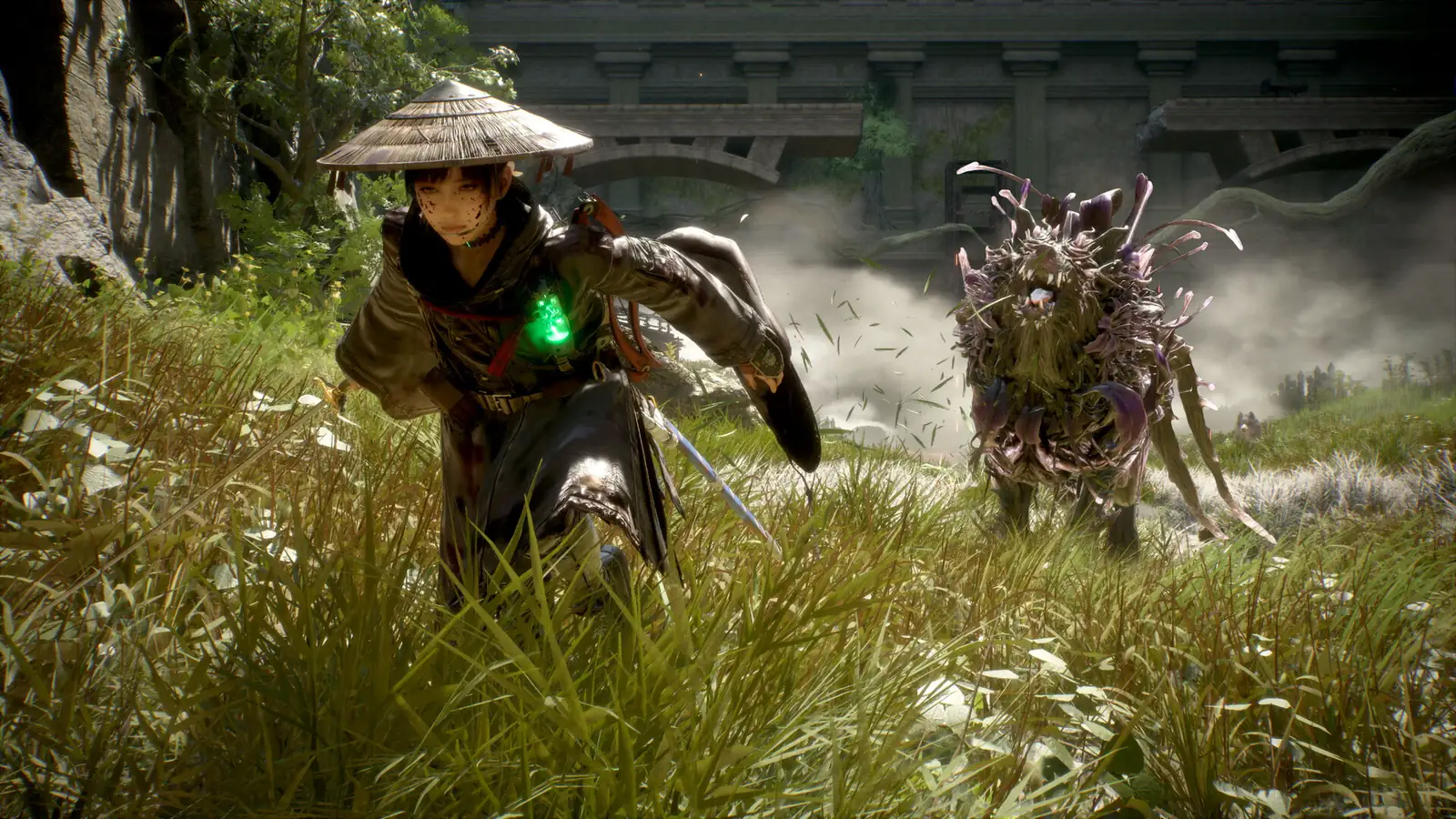
Official material places Emma and Koo at the centre of a single-player action RPG. Emma acts with a sword in real time while Koo adds a command layer. The walkthrough below turns that confirmed premise into a practical route: prepare the run, establish a checkpoint, explore in readable loops, fight with a reason, and record anything that should be revisited. It does not pretend that a trailer proves exact damage values, hidden collectibles, chapter rewards, or a universal boss weakness.
If you searched for a complete chapter-by-chapter list, keep this page open while the release build supplies the missing evidence. The chapter count, exact names, missable status, and New Game+ requirements can change between platforms or patches. A clearly marked unknown is more useful than a confident list that sends you to the wrong room or makes you restart a save.
Before you start a walkthrough run
Open the official store for your platform before following any dated route. Confirm the release state, installed version, language, input device, and available save or cloud options. The same game can show a different unlock time or feature list by region. Keep the date of your check beside the note so you can tell a launch fact from a later patch observation.
Choose settings that keep signals visible. Steam lists adjustable difficulty and subtitle support, but the exact options and their effects should be confirmed in the current build. A comfortable setting is useful for a first route because you are learning enemy timing, camera position, and the point at which Koo commands are safe. Difficulty changes are experiments to record, not proof that one setting is required for every achievement or story beat.
| Checkpoint note | Write down | Why it matters |
|---|---|---|
| Platform and version | Store, device, region, patch date | A later update may change timing, text, or availability. |
| Route objective | The active goal in your own words | Prevents a broad walkthrough from becoming a list of guesses. |
| Return signal | Door, landmark, fast-travel point, or save state | Makes later cleanup possible without relying on memory. |
| Open question | A mechanic or item you could not reproduce | Keeps uncertainty visible instead of turning it into a false fact. |
Use a repeatable route loop
A good Beast of Reincarnation guide should tell you what to do when the screen becomes busy. Use the same five-part loop whenever you enter a new area: orient, observe, commit, reset, and record. Orienting means finding the safe space and the next obvious path. Observing means letting one threat or environmental cue complete a cycle. Commit only to the shortest action that answers the current problem. Reset by returning to a readable distance. Record the result before moving on.
This loop is deliberately slower than a speedrun. It gives you a clean comparison when a command, upgrade, or route choice seems to change the encounter. If you alter difficulty, equipment, or companion timing at the same time, you cannot tell which change mattered. The walkthrough therefore treats each new tool as a single-variable test and marks conclusions as observations until the same result repeats.
Use the existing combat guide for the observe–act–command–recover rhythm when a fight blocks the route. Use the gameplay guide when the question is how exploration, threat reading, Emma, and Koo connect. The new walkthrough is the map between those pages: it tells you when to pause, what to carry forward, and where to place a return note.
- 1. Orient
Find the next objective, a safe position, and the most obvious return path before touching an unfamiliar object. - 2. Observe
Watch one enemy pattern or environmental signal through a complete cycle so your first action has a reason. - 3. Commit
Use one short sword action, movement choice, or Koo command that answers the problem you just identified. - 4. Reset
Move back to a legible distance after the action. Do not chase a second hit if it hides the next warning. - 5. Record
Write the outcome, version, and unresolved question. A ten-second note can save an entire blind backtrack later.
Chapter checkpoints without invented chapter names
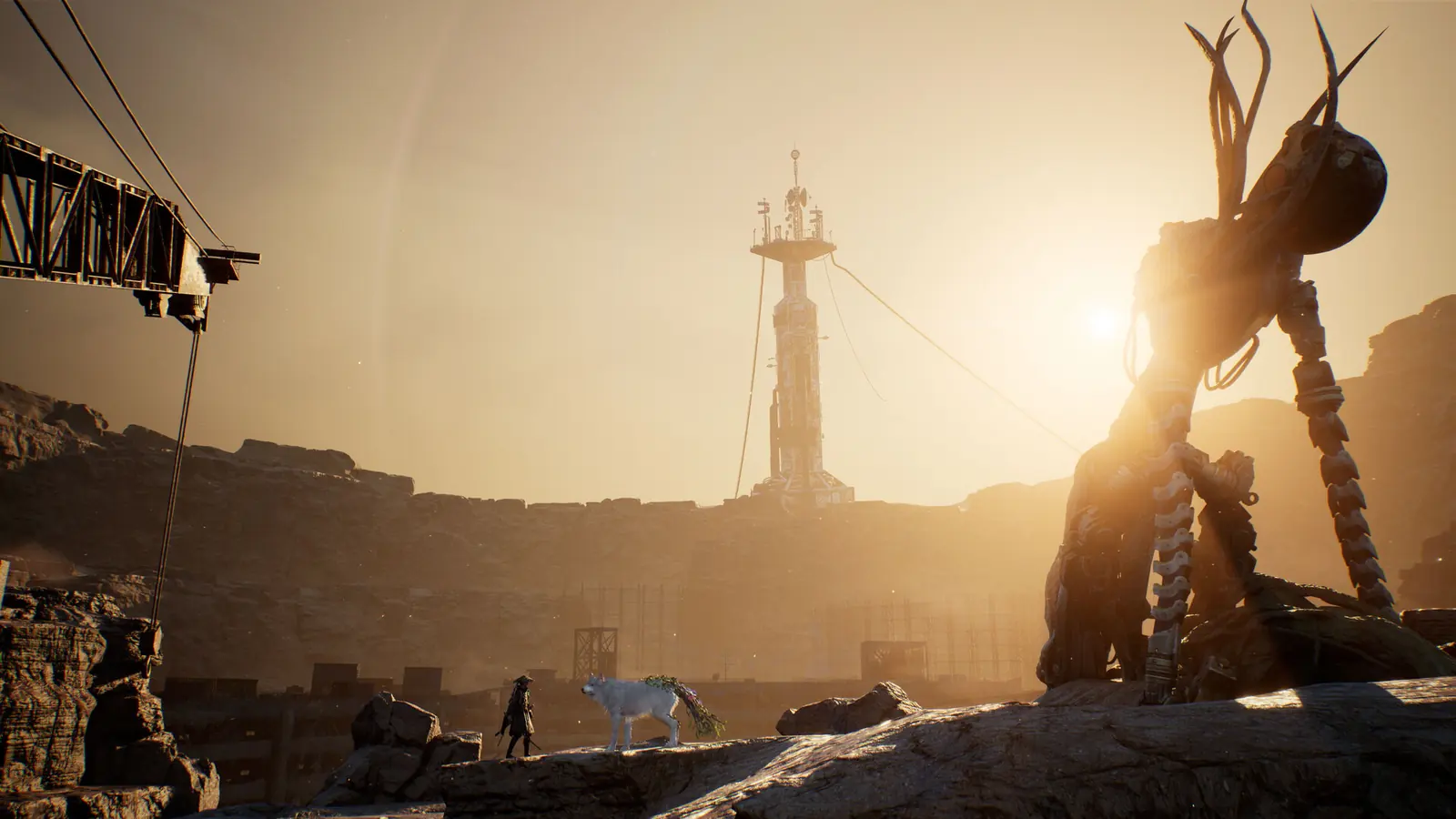
Search demand for Beast of Reincarnation chapters and how many chapters the game has is strong, but a public snippet is not enough to publish a permanent count. Until the live build and an account-facing source agree, use three checkpoints instead of fabricating a chapter list. These checkpoints work with a named chapter when you have verified one, and they still work when your platform labels progress differently.
At the start of a chapter, capture the objective, available routes, and any new system prompt. In the middle, mark optional paths, resources, and a safe place to test a command. At the end, check whether the game has changed your save, unlocked a return route, or introduced a new rule. This structure answers the reader’s immediate progression question while leaving space for a future evidence-backed chapter table.
Do not copy a chapter title from a video thumbnail or search snippet without checking the game. Names can be translated differently, and a creator may use a route nickname rather than the official label. When a chapter list becomes reproducible, add the exact platform, language, version, and source date beside it.
Start checkpoint
Read the objective in the current language, scan for a return path, and note the first new interaction or combat rule.
Mid-chapter checkpoint
Mark side paths and resources, test one change in a safe encounter, and leave a short note before a long traversal.
End checkpoint
Confirm the save or progression state, check newly available routes, and record what should be revisited after the story.
Evidence checkpoint
If a guide disagrees with your build, trust the live platform text or a repeatable observation and label the conflict.
| Reader question | Safe answer now | Future evidence needed |
|---|---|---|
| How many chapters are there? | Search demand is confirmed; this page does not publish an unverified number. | A live platform list, in-game chapter screen, or reproducible release-build count. |
| Can I skip a chapter? | Do not assume a skip option from a trailer or menu image. | The current build, platform, and exact menu wording. |
| Are chapter rewards missable? | Keep a return note until the save and chapter state are tested. | Repeated checks across a complete release build or a clearly sourced guide. |
| Where is Chapter 4? | Use the game’s current objective and landmark rather than a guessed map. | A verified chapter label and route with platform/version context. |
Connect exploration, combat, and resources
The main route becomes easier when exploration notes and combat notes stay separate. Exploration asks where you can safely go, what changed after an objective, and which path is worth revisiting. Combat asks what signal preceded danger, which distance kept Emma readable, and when a Koo command solved a specific problem. Mixing both into one “best build” claim makes it impossible to diagnose a failed attempt.
When a new enemy blocks a path, first make the screen readable. Keep the enemy, Emma, and the retreat line visible. Watch a complete attack, use the shortest confirmed response, then return to neutral space. If Koo is available, decide what the command is meant to change before you press it. A command used simply because it is ready creates a noisy test and can hide the encounter’s actual rhythm.
Resources deserve the same discipline. Record the name exactly as the game shows it, where you found it, what changed after collecting it, and whether the route can be repeated. Do not call an item a required upgrade because it appeared once near a difficult fight. A requirement becomes walkthrough-grade only after the condition is visible and repeatable on the same platform and version.
For a first clear, favour a route that leaves safe space and a usable save over a detour that promises an unverified reward. You can return to the trophy guide for completion planning, the combat guide for encounter habits, and the system requirements guide for PC checks. This page stays focused on the order in which those decisions belong.
Plan cleanup and New Game+ carefully
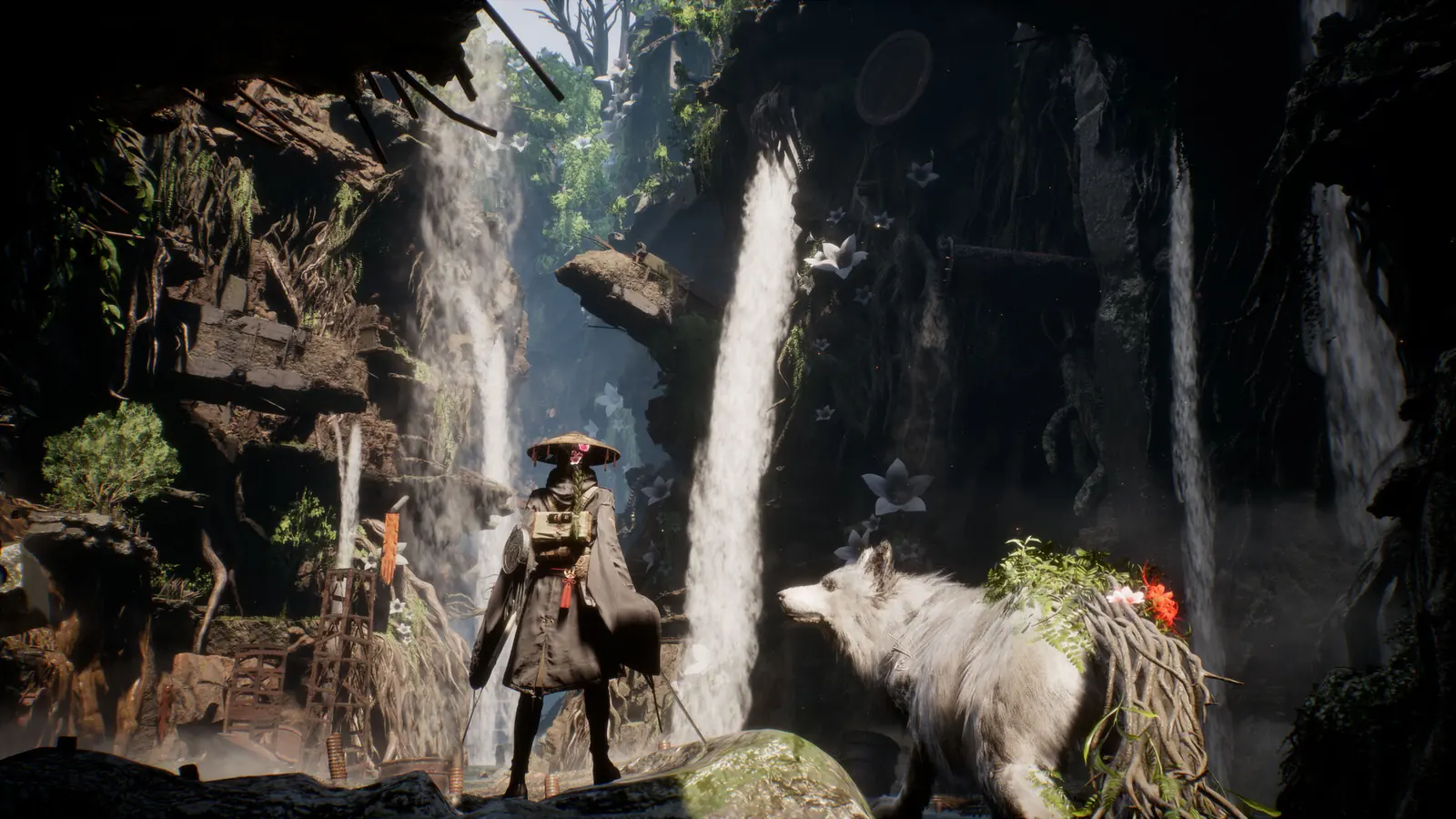
Do not turn the first hour into a collectible sweep unless the current game explicitly asks you to. Finish the route while recording unusual rooms, permanent-looking choices, resource names, and unresolved objectives. When the story state changes, inspect the save and the platform list before assuming that free roam, chapter select, or New Game+ exists.
The trophy guide on this site records a dated community roadmap for two playthroughs and a cleanup phase, while separating that route evidence from official Steam facts. Use the same boundary here. A community sequence can suggest what to test, but it cannot guarantee that every platform, patch, or region behaves identically. Recheck the live achievement or trophy description before you commit to a second run.
A low-regret cleanup order is: verify the post-story state, revisit marked side paths, test one unresolved requirement, compare the live achievement list, and only then combine repeatable goals in a second run. If a guide tells you to reload a save or choose a precise response, record the platform and version first. A route that works once is a lead until it can be repeated.
When no return route exists, keep the note instead of promising a missable answer. The next revision can add a verified chapter map, boss route, or ending explanation without rewriting the page’s core framework. That is why this walkthrough is useful before a complete database exists and maintainable after it does.
- Story clear
Complete the main route while marking questions; do not restart for every unexplained object. - State check
Inspect the post-story save, chapter selection, free roam, or New Game+ wording in your platform build. - Targeted cleanup
Return to one marked path or requirement at a time and record the exact result. - Platform list
Compare the live achievements or trophies with the notes; hidden conditions remain platform-specific. - Second run
Only combine New Game+ goals after the current list and patch confirm that the route still applies.
What this walkthrough still does not claim
This is not an official walkthrough, a complete chapter database, a boss guide, or a guarantee that there are no missables. It does not invent chapter titles, enemy names, map coordinates, optimal builds, ending requirements, or a fixed playtime from a trailer. Those details belong on the page only after the release build, platform, and source can be named.
The page will be expanded when evidence improves. A useful update should show the exact wording or observation, the platform and version, the route conditions, and whether a second player can reproduce it. If a patch changes a command, route, or save state, update the relevant checkpoint and the reviewed date rather than quietly preserving an old instruction.
For now, the strongest answer to a walkthrough search is a disciplined route: orient before moving, observe before committing, keep exploration and combat notes separate, and leave a return signal whenever the game withholds certainty. That framework complements the existing gameplay and combat pages without competing with their intent.
Official sources and related guides
Use the official product pages for the current release state, platform wording, and store-facing features. Use the related wiki pages for the narrower questions they answer. Community route evidence can suggest a test, but it should remain labelled as community evidence until the same result is reproduced.